
How to Get Free COVID Tests in 2026: 5 Ways to Save
November 25, 2026
Free COVID tests are still available in some parts of the United States in 2026, but the options depend on your insurance, state, and location. Although the federal government's free COVID test mailing program ended in March 2025, eligible Medicaid members, Medicare beneficiaries, and uninsured individuals may still qualify for free or low-cost testing through certain healthcare programs and community health centers.
You can also use HSA or FSA funds to pay for eligible at-home COVID tests. However, private insurance coverage for over-the-counter tests is no longer guaranteed.
This guide explains where to find free COVID tests in 2026, how to check your insurance benefits, where uninsured individuals can get tested, and how to save money when purchasing at-home test kits.
Quick Answer: Where Can You Get Free COVID Tests in 2026?
You can get free or low-cost COVID tests in 2026 through certain Medicaid programs, Medicare-covered laboratory testing, community health centers, and local health departments. However, eligibility and availability vary by state and insurance plan.
Here are the main options:
Medicaid: Some state Medicaid programs cover over-the-counter COVID tests, although limits and authorization requirements vary.
Medicare: Eligible beneficiaries can receive covered diagnostic testing when medically appropriate and ordered by a healthcare provider. Original Medicare does not generally cover over-the-counter home test kits.
Community health centers: Federally qualified health centers may provide free or sliding-scale testing for uninsured and underinsured patients.
Local health departments: Some offer free testing events or referrals to low-cost testing locations.
HSA/FSA accounts: Eligible individuals can use tax-advantaged healthcare funds to purchase qualifying at-home COVID tests.
The federal COVIDtests.gov free home-testing program ended in March 2025, so there is no longer a general nationwide federal mailing program.
COVID Test Coverage by Insurance Type in 2026
Whether you can get a free COVID test depends on your insurance provider and the type of test you need. The following table summarizes the main coverage differences.
Insurance or Payment Type |
At-Home Rapid Tests |
Lab-Based COVID Tests |
What to Know |
|---|---|---|---|
Original Medicare |
Generally not covered |
Covered when eligible and provider-ordered |
Medicare Part B usually covers qualifying diagnostic laboratory tests at no cost |
Medicare Advantage |
Depends on the plan |
Depends on plan coverage and applicable Medicare rules |
Contact your insurer to confirm costs and benefits |
Medicaid |
Varies by state |
Coverage varies by state |
Some state programs continue to cover OTC tests |
Private insurance |
Not federally required to cover |
Coverage varies by plan |
Check network, cost-sharing, and authorization requirements |
Uninsured individuals |
Usually pay out of pocket |
May qualify for reduced-cost or free services |
Contact a community health center or local health department |
HSA/FSA account holders |
Eligible expenses can generally be paid using account funds |
Eligible expenses may qualify |
Requires available account funds; this is not free coverage |
Important: Insurance coverage can change based on state rules, plan documents, medical necessity, and provider requirements. Contact your insurer before purchasing a test if you want to avoid unexpected expenses.
5 Ways to Get Free or Low-Cost COVID Tests in 2026
If you’re in a hurry, start here. These are the options that still work in 2026, ranked by how easy they are to access.
1. Use Your HSA or FSA to Pay for At-Home COVID Tests
If you have a Health Savings Account (HSA) or Flexible Spending Account (FSA), you can generally use the available funds to purchase eligible at-home COVID-19 tests.
These accounts do not make tests free, but they let you pay using money set aside for qualified healthcare expenses. HSA distributions for eligible COVID-19 home testing expenses are generally tax-free, while FSA reimbursement depends on your plan's rules.
For example, if you purchase a $12 COVID test using eligible HSA funds, you pay the $12 from your healthcare savings rather than your regular after-tax spending money.
Keep your itemized receipt in case your account administrator requests documentation. Also, make sure the expense has not already been reimbursed by insurance.
2. Check Medicaid Coverage for Free COVID Tests
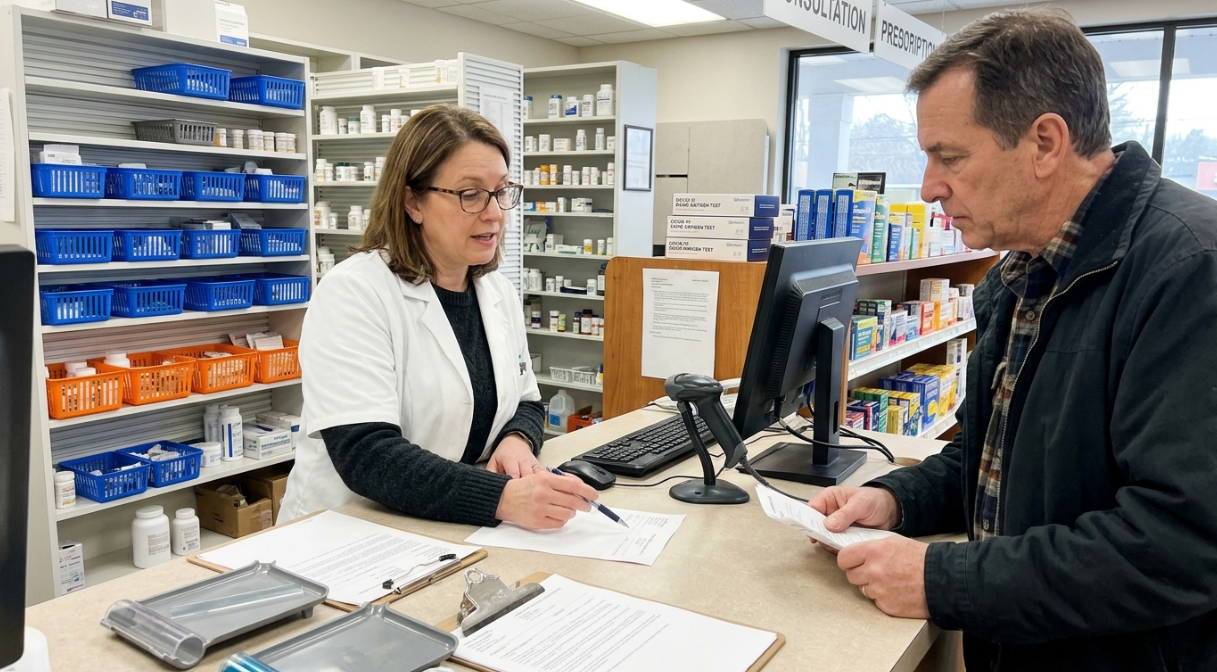
Medicaid members may qualify for free or low-cost COVID testing, but coverage depends on their state's current Medicaid policies.
Federal requirements for no-cost COVID-19 testing under Medicaid and CHIP ended on September 30, 2024. Since then, states have determined which testing benefits continue and what restrictions apply.
California Medi-Cal coverage in 2026
Medi-Cal continues to provide coverage for eligible over-the-counter COVID-19 antigen tests through Medi-Cal Rx, subject to its current authorization requirements.
Effective January 1, 2026:
Prior authorization is generally required for OTC COVID-19 antigen tests.
Approved requests are limited to up to four tests per 30 days.
A new authorization is required for each claim.
Certain pediatric exceptions apply to eligible members under 21.
To check your eligibility, contact your Medi-Cal provider, pharmacist, or Medi-Cal Rx representative.
What about other states?
Medicaid coverage is not identical nationwide. Some states may continue to cover OTC COVID tests, while others may limit coverage to provider-ordered testing or impose additional requirements.
Call the number on your Medicaid card and ask whether your plan covers at-home COVID tests, laboratory testing, and any required prescriptions or prior authorizations.
3. Get Covered COVID Testing Through Medicare
Original Medicare Part B covers FDA-authorized COVID-19 diagnostic laboratory tests when ordered by an eligible healthcare provider. Beneficiaries usually pay nothing when the test is covered and performed by a Medicare-participating laboratory, clinic, pharmacy, or hospital.
However, Original Medicare does not generally cover over-the-counter COVID-19 home test kits.
If you have Medicare Advantage, your plan may offer additional benefits, including coverage for certain at-home tests. Coverage and out-of-pocket costs vary, so contact your plan before purchasing a kit.
How to get a covered Medicare COVID test:
Contact your doctor or healthcare provider about your symptoms or exposure.
Ask whether a diagnostic COVID test is medically appropriate.
Confirm that the testing facility accepts Medicare.
Ask whether the test is covered and whether you will owe anything.
You can review the official Medicare COVID-19 diagnostic laboratory testing coverage page.
4. Find Free or Low-Cost COVID Testing at Community Health Centers
If you don't have health insurance, a federally qualified health center (FQHC) may be one of your best options for affordable COVID testing.
FQHCs provide healthcare services to underserved communities and may offer sliding-scale fees based on household income and family size. Some centers also provide free testing through local programs or partnerships.
How to find a community health center:
Visit the HRSA Find a Health Center directory.
Enter your ZIP code or city.
Contact nearby health centers.
Ask whether they currently offer COVID testing.
Confirm whether testing is free or available at a reduced cost.
You can also contact your local health department to ask about community testing events, public health clinics, and other available resources.
Tip: Call before visiting. Not every community health center offers free COVID testing, and some locations may only provide testing after a medical evaluation.
5. Buy COVID Tests in Multipacks to Lower the Cost
When free options don’t apply, buying in bulk brings the per-test cost down significantly. A single rapid test kit runs about $10 to $12, but larger packs drop the price per test. Bulk COVID test kits are available from brands like iHealth, which is one of the most widely reviewed rapid tests on the market according to independent assessments from Yahoo Health and CNET.
Where to Find Free COVID Tests Near You in 2026
If you need a COVID test but don't know where to start, check local healthcare providers and public health resources. Free testing availability varies by location, so contact the facility before visiting.
Here are five places to check:
1. Federally Qualified Health Centers
Community health centers may provide free or reduced-cost testing based on your income and eligibility.
Use the HRSA Find a Health Center directory to locate facilities near you.
2. Local Health Departments
County and state health departments sometimes organize free COVID testing events or partner with community organizations.
Visit your state or county health department website and search for COVID-19 testing services.
3. Medicaid-Participating Pharmacies
If your state Medicaid program covers eligible at-home COVID tests, participating pharmacies may be able to process the benefit.
Ask the pharmacist whether your plan covers OTC tests and whether you need a prescription or prior authorization.
4. Hospitals and Community Clinics
Hospitals, urgent care centers, and community clinics may offer diagnostic COVID testing. Ask about the total cost before scheduling, especially if you do not have insurance.
5. Your Primary Care Provider
Your doctor can determine whether laboratory-based COVID testing is appropriate and help you identify covered testing options.
Before visiting a testing location, ask:
Is COVID testing currently available?
Is the test free for uninsured patients?
Do I need an appointment?
Is a prescription or doctor's order required?
Are there additional laboratory or consultation fees?
Checking these details in advance can help you avoid unnecessary expenses.
Are Free Government COVID Tests Still Available in 2026?
No. The federal COVIDtests.gov program that mailed free at-home COVID-19 test kits to U.S. households is no longer accepting orders.
The program launched in January 2022 and distributed more than 1.8 billion tests before its final ordering period ended in March 2025.
Although the federal mailing program has ended, this does not mean every free testing option has disappeared. Some state Medicaid programs, community health centers, and local health departments may still provide free or subsidized COVID testing.
If you find an older article suggesting that you can order free tests directly through COVIDtests.gov, check the publication date. Information published during the federal testing program may no longer be current.
Don’t Throw Away Your Old Government Tests
If you still have tests from earlier government shipments, check the expiration date before tossing them. The FDA has extended the shelf life of many test brands, sometimes by a year or more beyond the date printed on the box.
The iHealth COVID-19/Flu A&B Rapid Test, for example, received a 17-to-20-month extension per an FDA authorization update from June 2025.
How to check: Visit the FDA’s at-home OTC COVID-19 diagnostic tests page and search for your specific test brand and lot number. The database lists updated expiration dates. Don’t use any test past its extended date.
Does Private Health Insurance Cover COVID Tests in 2026?
Private health insurance companies are no longer federally required to cover over-the-counter COVID-19 tests at no cost. The temporary federal requirement for insurers to cover up to eight free at-home tests per member each month ended after the COVID-19 Public Health Emergency.
In 2026, coverage depends on your individual health insurance policy.
At-Home COVID Tests
Most private insurance plans are not required to reimburse members for at-home rapid antigen tests. Some insurers may still offer partial reimbursement or additional testing benefits, but these are plan-specific.
Laboratory-Based COVID Tests
Some private health plans continue to cover diagnostic COVID testing when it is medically necessary and ordered by a healthcare provider. However, deductibles, copayments, coinsurance, network restrictions, and prior authorization requirements may apply.
How to Check Your Insurance Coverage
Before purchasing a test, contact your insurance company and ask:
Does my plan cover at-home COVID antigen tests?
Are laboratory-based COVID tests covered?
Do I need a doctor's order?
Can I use an out-of-network laboratory?
Are there copayments, deductibles, or reimbursement limits?
Checking your benefits before buying a test can help you avoid unexpected costs.
How Much Do COVID Tests Cost Without Insurance in 2026?
The cost of a COVID test without insurance depends on the test type, retailer, laboratory, and location. At-home rapid antigen tests are generally the most convenient option, while laboratory-based tests may cost more.
The following table provides the estimated price ranges discussed in this guide. Treat these as planning estimates rather than guaranteed nationwide prices.
COVID Test Type |
Estimated Cost Without Insurance |
Typical Result Time |
|---|---|---|
Single at-home rapid antigen test |
$10–$12 |
Around 15–30 minutes |
Multipack rapid antigen tests |
Varies by pack size |
Around 15–30 minutes |
3-in-1 COVID and flu test |
$20–$25 |
Around 15–30 minutes |
4-in-1 COVID, flu, and RSV test |
Varies by brand |
Depends on the product |
Laboratory-based PCR test |
$40–$180 |
Same day to several days |
How to Spend Less on COVID Testing
If you need to pay out of pocket, consider these options:
Compare pharmacy prices: Check retailers such as CVS, Walgreens, Walmart, and local pharmacies.
Look for multipacks: Larger packages may offer a lower cost per test.
Check HSA/FSA eligibility: Use available healthcare account funds for eligible purchases.
Contact community health centers: Ask about sliding-scale fees or free testing programs.
Check your insurance first: Some plans cover certain laboratory tests even when they do not cover at-home kits.
Remember that the cheapest test is not necessarily the best option for every situation. Choose an FDA-authorized test that is appropriate for your needs and follow its instructions.
Types of COVID Tests: Rapid Antigen, PCR, and Combo Tests
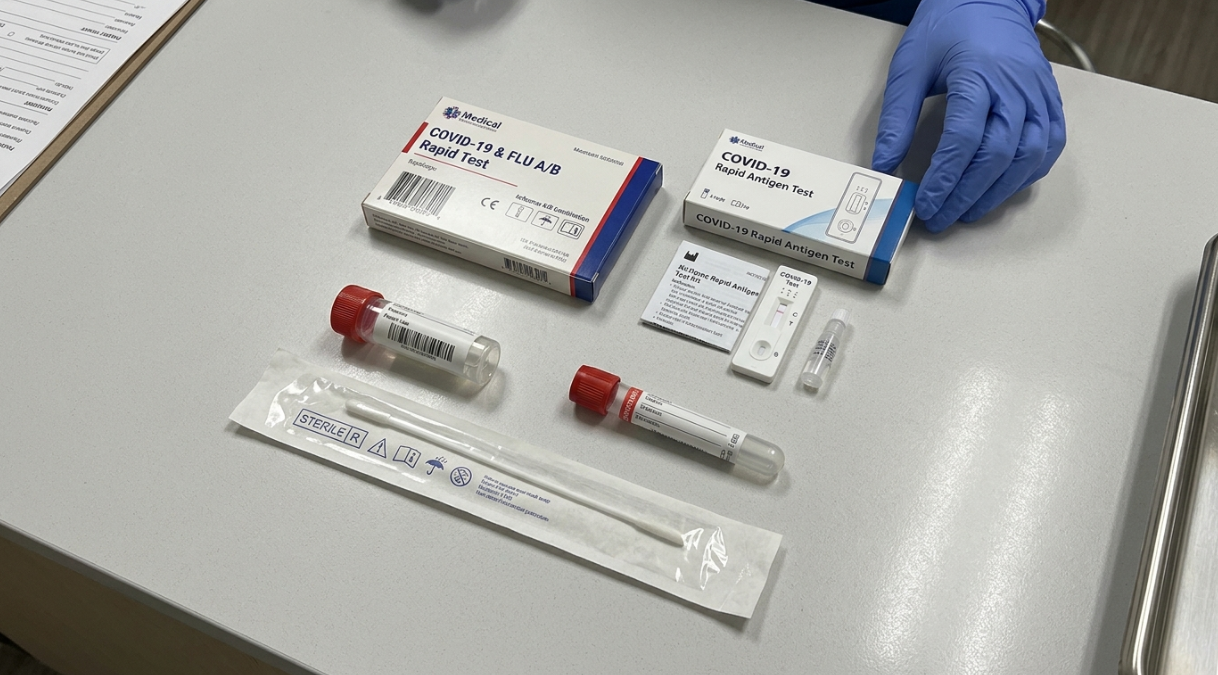
There are several types of COVID tests available in 2026. The best option depends on how quickly you need results, whether you have symptoms, and whether you need a more sensitive laboratory-based test.
1. Rapid Antigen Tests (At-Home)
Rapid antigen tests detect specific proteins from the virus that causes COVID-19.
They are popular because they:
Can be performed at home.
Usually provide results in approximately 15–30 minutes, depending on the product.
Do not typically require a prescription.
Are available at pharmacies and online retailers.
However, antigen tests are less sensitive than molecular tests. A negative result does not always rule out an infection, particularly early in the illness.
If you have symptoms and receive a negative result, repeat the test 48 hours later according to FDA guidance.
2. PCR and Other Molecular Tests
PCR tests are a type of nucleic acid amplification test (NAAT). They detect the genetic material of the virus rather than viral proteins.
Molecular tests are generally more sensitive than rapid antigen tests and may be useful when an accurate diagnosis is especially important.
Depending on the testing location, results may be available within hours or take several days.
Some molecular tests are performed at healthcare facilities, while others may be available through authorized point-of-care testing services.
3. COVID and Flu Combo Tests
Combo tests are designed to identify more than one respiratory virus using a single specimen collection process.
Common combinations include:
3-in-1 tests: COVID-19, Influenza A, and Influenza B.
4-in-1 tests: COVID-19, Influenza A, Influenza B, and RSV.
These tests can be useful during respiratory illness season because COVID-19, influenza, and RSV can cause overlapping symptoms.
However, not every combo test detects the same viruses or is authorized for the same age groups. Check the product label and FDA authorization information before purchasing.
Which COVID Test Should You Choose?
Situation |
Test to Consider |
Reason |
|---|---|---|
You need a quick result at home |
Rapid antigen |
Convenient and fast |
You have symptoms but test negative |
Repeat antigen test or consider NAAT |
Helps reduce the chance of a false-negative result |
You need a more sensitive diagnostic test |
PCR or another NAAT |
Generally more sensitive than antigen testing |
You want to check for multiple respiratory viruses |
Authorized combo test |
Tests for several viruses using one specimen collection |
Important: A positive result from an authorized antigen test can help identify a current infection. A negative antigen result does not completely rule out COVID-19.
Cost Comparison at a Glance
Test Type |
Typical Cost (No Insurance) |
HSA/FSA Eligible? |
Medicare Covered? |
|---|---|---|---|
Rapid antigen (COVID only) |
$10–$12 |
Yes |
No (OTC) |
Combo test (3-in-1 or 4-in-1) |
$20–$25 |
Yes |
No (OTC) |
PCR test (lab) |
$40–$180 |
Yes |
Yes (with doctor’s order) |
When Should You Take a COVID Test?
Knowing when to test is important because taking a COVID test too early can produce a false-negative result. Your testing schedule should depend on whether you have symptoms, were exposed to someone with COVID-19, or want to check your infection status before an event.
1. If You Have COVID-19 Symptoms
If you develop symptoms such as fever, cough, sore throat, congestion, or fatigue, take an at-home COVID antigen test immediately.
If the result is negative, repeat the test 48 hours later. You can also ask a healthcare provider whether a molecular test is appropriate.
2. If You Were Exposed to Someone With COVID-19
If you do not have symptoms after an exposure, wait at least five full days before taking an at-home antigen test.
If your first test is negative, repeat it 48 hours later. If the second test is also negative, take a third test another 48 hours later.
If symptoms develop before the five-day waiting period ends, test immediately.
3. Before Visiting Someone at High Risk
If you plan to visit an older adult, someone with a weakened immune system, or another person at increased risk of severe illness, consider testing as close to the visit as possible.
A negative test can reduce uncertainty, but it does not guarantee that you are not infected.
4. Before Attending a Gathering
Testing shortly before a gathering can help you make more informed decisions about your risk of spreading COVID-19.
Follow the test manufacturer's instructions and consider other precautions, such as staying home when sick and improving indoor ventilation.
How Many Times Should You Take a COVID Test?
Situation |
Recommended Testing Schedule |
|---|---|
You have symptoms and receive a negative antigen result |
Repeat after 48 hours |
You have no symptoms after exposure |
First test at least five full days after exposure |
You have no symptoms and the first test is negative |
Repeat 48 hours later, then repeat another 48 hours later |
You are testing before an event |
Test as close to the event as practical |
A negative antigen test is not a guarantee that you are infection-free. Follow CDC and FDA testing guidance and seek medical advice if you remain concerned.
Should You Stock Up on COVID Tests Before Respiratory Season?
Keeping a few COVID tests at home can make it easier to check for an infection when symptoms develop or before visiting someone at higher risk of severe illness.
COVID-19, influenza, and RSV can circulate during the same respiratory illness season. Having an appropriate test available can help you determine whether you need additional medical guidance.
Before buying multiple test kits, consider:
Expiration dates: Check that the tests will remain usable throughout your intended storage period.
Household size: Consider how many people may need testing.
Repeat testing: Remember that negative antigen results may require follow-up tests.
Test type: Choose between COVID-only tests and authorized combination tests based on your needs.
Storage instructions: Follow the manufacturer's temperature and storage recommendations.
You do not need to purchase a large quantity of tests if you rarely use them. Buying a reasonable household supply can help avoid unnecessary spending and expired products.
Frequently Asked Questions
Can I still get free COVID tests from the government?
No. COVIDtests.gov stopped accepting orders on March 9, 2025, and has not been reinstated. The program distributed over 1.8 billion tests but is no longer active.
What’s the cheapest way to get a COVID test right now?
Use your HSA or FSA, which requires no prescription and uses pre-tax dollars. If you’re on Medicaid or Medi-Cal, you may qualify for up to four free OTC tests per month. If you’re on Medicare, your doctor can order a lab test at no cost to you. For everyone else, buying in bulk lowers the per-test price.
Can I use my HSA or FSA to buy COVID tests?
Yes. At-home COVID tests are qualified HSA, FSA, and HRA expenses. No prescription needed. Just use your account’s debit card at checkout.
Does Medicare cover free COVID tests?
Medicare Part B covers lab-ordered tests at no cost when ordered by a doctor. It does not cover at-home rapid tests you buy over the counter. Medicare Advantage coverage for OTC tests varies by plan.
Does Medi-Cal still cover free COVID tests?
Yes, up to four OTC tests per month at enrolled pharmacies. Starting January 2026, prior authorization is required.
Are my old COVID tests still good?
Possibly. The FDA has extended expiration dates for many test brands, sometimes by over a year. Check the FDA’s at-home test page for your brand and lot number before discarding them.
What’s the difference between a rapid test and a PCR test?
A rapid test detects viral proteins at home in about 15 minutes. A PCR test detects viral genetic material in a lab, takes hours to days, but is much more sensitive, especially for early infections.
What is a 4-in-1 COVID test?
It detects COVID-19, Influenza A, Influenza B, and RSV from a single nasal swab in about 15 minutes. It’s useful during respiratory season when all four viruses cause similar symptoms.
How much do COVID tests cost without insurance?
Rapid antigen tests run about $10 to $12. Combo tests (3-in-1 or 4-in-1) cost $20 to $25. PCR tests range from $40 to $180 depending on the facility.
Where can uninsured people get free COVID tests?
Uninsured individuals can contact federally qualified health centers, local health departments, and community clinics to ask about free or reduced-cost COVID testing. Some facilities offer sliding-scale fees based on household income, while others may provide testing through local public health programs.
Can I get free COVID tests at CVS or Walgreens?
Free COVID tests are not automatically available at CVS, Walgreens, or other pharmacies. However, some pharmacies participate in insurance or Medicaid testing programs. Contact your pharmacy and insurance provider to check whether you qualify for covered testing.
Does Medicaid cover at-home COVID tests in every state?
No. Medicaid coverage for over-the-counter COVID tests varies by state. Some states continue to cover eligible tests, while others may require a prescription, prior authorization, or provider-based testing.
Should I take another COVID test if my first result is negative?
Yes, if you used an at-home antigen test and still have symptoms or a recent exposure. The FDA recommends repeating a negative antigen test after 48 hours. People without symptoms should generally complete three tests in total, spaced 48 hours apart.
Last verified October 2026. Testing programs, insurance rules, and product availability change frequently. Check with your insurance provider or state health department for current information. This content is informational and does not constitute medical advice.


