
Learn Your Way
to A Healthier Life

Chronic diseases account for most healthcare utilization, avoidable admissions, and longitudinal care complexity in U.S. practice settings. For medical groups, health systems, and value-based organizations, RPM chronic disease management offers a structured way to extend monitoring beyond episodic office visits, identify deterioration earlier, and support timely interventions between encounters. When implemented with clear protocols, appropriate coding workflows, and device/data reliability, remote patient monitoring (RPM) can strengthen both clinical outcomes and operational performance.
Why RPM Matters in Chronic Disease Management
Burden of chronic disease and care fragmentation
According to CDC estimates, a large majority of U.S. adults live with at least one chronic condition, and many live with multiple comorbidities. Conditions such as hypertension, diabetes, heart failure, COPD, and chronic kidney disease require frequent trend assessment, medication titration, and behavior support—tasks that are difficult to accomplish through periodic in-person visits alone. This creates blind spots between appointments where risk can escalate unnoticed.
How RPM closes the gap between visits
RPM introduces objective, time-stamped physiologic data into routine ambulatory workflows. Rather than relying solely on retrospective self-report, clinicians can review trends in blood pressure, glucose, pulse rate, oxygen saturation, or weight and intervene when values move outside individualized parameters. In practical terms, this can improve care plan adherence, accelerate response to deterioration, and support documented longitudinal management for high-risk populations.
Clinical Use Cases for RPM Chronic Disease Management
Hypertension and cardiovascular risk reduction
Home blood pressure data is increasingly recognized in major hypertension guidance frameworks as a useful adjunct to office-based readings for diagnosis confirmation and treatment follow-up. RPM programs can support:
- More frequent assessment after medication initiation or adjustment
- Detection of white-coat and masked hypertension patterns
- Protocolized outreach for persistent out-of-range readings
- Patient coaching on measurement technique and adherence
For practices managing large hypertensive panels, escalations based on trend thresholds can help focus clinician time on patients with the greatest near-term risk.
Diabetes management and glycemic trend visibility
For patients with type 2 diabetes (and selected type 1 populations in non-CGM workflows), connected glucose monitoring can provide actionable trend insight between office visits. RPM-enabled review may support medication adjustment decisions, reinforce self-management behaviors, and identify recurrent hyperglycemia or hypoglycemia patterns requiring intervention. As with all diabetes management, RPM data should be interpreted in context of comorbidities, medication regimen, nutrition, and social factors affecting adherence.
Heart failure, COPD, and post-acute monitoring
In higher-acuity chronic populations, RPM can support early recognition of symptom trajectory changes when combined with symptom check-ins and care coordination protocols. Depending on care model, monitored metrics may include blood pressure, heart rate, oxygen saturation, and weight. While RPM does not replace clinical evaluation, it can provide a surveillance layer that prompts earlier telehealth or in-person assessment when risk signals emerge.
Evidence and Guideline Context
What evidence shows
Published studies and real-world implementations suggest RPM can improve disease control metrics and reduce acute utilization in selected populations, though effect size varies by program design, patient engagement, and response timeliness. Stronger outcomes are generally associated with:
- Defined clinical protocols for alert triage and escalation
- Dedicated care team roles (e.g., nurses/care coordinators) for follow-up
- Consistent patient onboarding and device-use education
- Reliable, interoperable data flow into clinical workflows
Programs should avoid overpromising and should evaluate performance continuously using internal quality metrics and payer/contract objectives.
Guideline and quality alignment considerations
RPM programs are typically most effective when aligned with existing chronic care pathways and quality priorities (e.g., blood pressure control, diabetes outcomes, readmission reduction, and preventive risk management). Clinical leadership should map RPM use to evidence-based condition management protocols, document rationale for monitoring frequency, and establish medically appropriate thresholds for action.
Operational Model Design: From Pilot to Scale
Patient selection and enrollment criteria
Not all patients require the same monitoring intensity. Effective RPM chronic disease management starts with risk stratification and explicit inclusion criteria, such as uncontrolled metrics, recent utilization, medication complexity, or barriers to in-person follow-up. Practices should also assess digital readiness, caregiver support, language needs, and health literacy to improve sustained participation.
Care team roles and escalation pathways
A scalable RPM model defines who does what, when, and how:
- Clinical leadership: establishes protocols, escalation thresholds, and oversight
- Nursing/care coordination: first-line review, patient outreach, education reinforcement
- Providers/APPs: clinical decision-making, treatment changes, documentation
- Administrative staff: enrollment logistics, consent, device tracking, scheduling
Escalation policies should distinguish routine out-of-range follow-up from urgent concerns requiring same-day clinical evaluation or emergency referral.
Documentation and data governance
Compliance-ready documentation should capture medical necessity, patient consent (as required by payer/policy), device deployment, data review time, patient communications, and clinical decisions. Organizations should implement HIPAA-aligned data handling, role-based access controls, and audit trails. Device data should be traceable, and teams should maintain procedures for data anomalies, missing transmissions, and patient-reported technical issues.
Reimbursement Framework and CPT Coding
Common CPT codes used in RPM programs
For Medicare and many payer policies, organizations often structure billing around these RPM-related codes (subject to current CMS and payer-specific requirements):
- 99453: Initial setup and patient education on use of RPM equipment
- 99454: Supply of device(s) with daily recordings/transmissions for a 30-day period
- 99457: First 20 minutes of clinical staff/physician/QHP time in a calendar month, including interactive communication
- 99458: Each additional 20 minutes of RPM management time per month
Some organizations also integrate RTM, CCM, or PCM services where appropriate, but code combinations and time attribution require careful policy review to avoid duplication and billing conflicts.
Key compliance and billing considerations
- Confirm device and data capture meet payer and CMS criteria in effect for the billing period.
- Track time accurately and contemporaneously for time-based services.
- Ensure required interactive communication elements are documented.
- Validate frequency and duration requirements for transmitted physiologic data.
- Monitor National Correct Coding Initiative (NCCI) edits and payer-specific modifiers/rules.
Because policies evolve, revenue cycle and compliance teams should routinely review CMS Physician Fee Schedule updates, Medicare Administrative Contractor guidance, and commercial payer bulletins.
Technology Requirements for Reliable Clinical RPM
Device quality, usability, and data integrity
In chronic disease programs, device reliability and patient usability are foundational. FDA-cleared devices, straightforward onboarding, and dependable connectivity reduce friction and improve data continuity. Operationally, practices should monitor adherence metrics (e.g., transmission frequency), troubleshoot quickly, and maintain replacement workflows to minimize data gaps.
EHR and workflow integration
RPM value declines when data is siloed. Integrating actionable data into care management workflows—through dashboards, task queues, or summary views—helps avoid alert fatigue and missed follow-up. Many organizations define “review-ready” thresholds and trend summaries so staff can prioritize intervention rather than manually parsing raw data streams.
Implementation KPIs and Performance Management
Clinical and operational metrics to track
High-performing RPM chronic disease management programs typically track a balanced scorecard:
- Clinical: control rates (e.g., BP, glucose), exacerbation frequency, acute utilization signals
- Engagement: activation rate, adherence to measurement schedule, retention
- Operational: alert response time, escalation completion, documentation quality
- Financial: code capture rate, denial rate, net reimbursement per enrolled patient
Continuous improvement cycle
Quarterly protocol review is advisable to refine thresholds, staffing models, and outreach scripts. Segment outcomes by condition, risk tier, and social determinants where possible to identify inequities in engagement or results. Programs should also include patient feedback loops to improve usability and trust.
FAQ
1) Which patients are best suited for RPM in chronic care?
Patients with uncontrolled chronic metrics, recent acute utilization, medication complexity, or limited visit access often benefit most. Eligibility should be determined by clinical judgment, payer policy, and patient capacity to participate.
2) Is RPM a replacement for regular office visits?
No. RPM is a supplemental care modality that enhances between-visit surveillance and supports earlier intervention. It does not replace necessary in-person assessment, diagnostics, or urgent/emergent care.
3) What is required to bill RPM time-based management codes?
Requirements vary by payer, but generally include qualifying device use, sufficient transmitted data, documented management time, and required interactive communication elements. Always verify current CMS and payer-specific rules.
4) How quickly should teams respond to out-of-range readings?
Response times should follow condition-specific protocols and risk stratification. Organizations should define standard, urgent, and emergent escalation pathways with clear accountability.
iHealth RPM Solutions
For healthcare organizations building scalable, compliance-oriented RPM programs, iHealth offers FDA-cleared connected devices and program support resources.
Explore these resources to evaluate device fit, workflow integration options, and chronic care use cases for your population health strategy.
Sign Up For More From iHealth
Receive the Latest News and Special Offers
Related Articles

Tags
Understanding Your Blood Pressure Numbers
Blood pressure is one of the most important vital signs you can track at home, but many people are unsure what the numbers actually mean. If you are focused on understanding blood pressure numbers, th...
Read more
Tags
Understanding Your Blood Sugar Readings at Home
Checking your blood sugar at home can help you better understand how food, activity, stress, sleep, and medications affect your daily health. If you are new to blood sugar readings home monitoring, th...
Read more
Tags
Digital vs Infrared Thermometers: Which Is More Accurate
When you are checking for fever at home, accuracy matters just as much as speed and convenience. In the debate over digital vs infrared thermometer accuracy, the best choice often depends on where and...
Read more
Tags
Understanding SpO2 Readings: What Is a Normal Oxygen Level
Oxygen saturation is one of the most useful health metrics you can check at home, especially when you want a quick snapshot of how well oxygen is moving through your body. If you have ever looked at a...
Read more
Tags
Upper Arm vs Wrist Blood Pressure Monitors: Which Is Better
Choosing between an upper arm and wrist blood pressure monitor can feel confusing, especially when both claim to help you track your readings at home. In most cases, upper arm devices are preferred fo...
Read more
Tags
Blood Glucose Monitoring: A Complete Beginners Guide
Getting started with home glucose checks can feel overwhelming, but it does not have to be. This blood glucose monitoring guide explains the basics in plain language, including why testing matters, wh...
Read more
Tags
How to Choose the Best Thermometer for Home Use
Choosing the best thermometer for home use can make everyday health checks faster, less stressful, and more reliable. Whether you are caring for young children, older adults, or simply building a bett...
Read more
Tags
What Is Remote Patient Monitoring and How Does It Work
As value-based care, chronic disease prevalence, and workforce constraints continue to reshape healthcare delivery, many organizations are evaluating scalable models for longitudinal monitoring outsid...
Read more
Tags
Fingertip vs Wrist Pulse Oximeters: Pros and Cons
When comparing a fingertip vs wrist pulse oximeter, most people want to know one thing: which option gives dependable readings with less hassle. Both styles estimate blood oxygen saturation (SpO2) and...
Read more
Tags
The High Cost of Managing Diabetes + Ways to Save Money
People with diabetes have on average 2.5x higher medical bills than those without diabetes. Here are budget-friendly tips to make diabetes care feel more manageable and less overwhelming.
Read more
Tags
A Simple Guide To Why You Need a Flu Shot Every Year
December 1-5 is National Influenza Vaccination Week, serving as a reminder to get an annual flu shot to protect yourselves and others. Infectious disease expert Dr. Jill Seladi-Schulman writes on why it’s necessary for individuals to get a new flu shot every year.
Read more
Tags
Why Blood Pressure Goes Up in the Winter & 7 Tips to Manage It
Nearly half of adults in the U.S. have high blood pressure and research shows that rates can more than double during the winter. As the colder months settle in, it’s worth understanding how winter can affect your blood pressure and what you can do to help you stay heart-healthy through the season.
Read more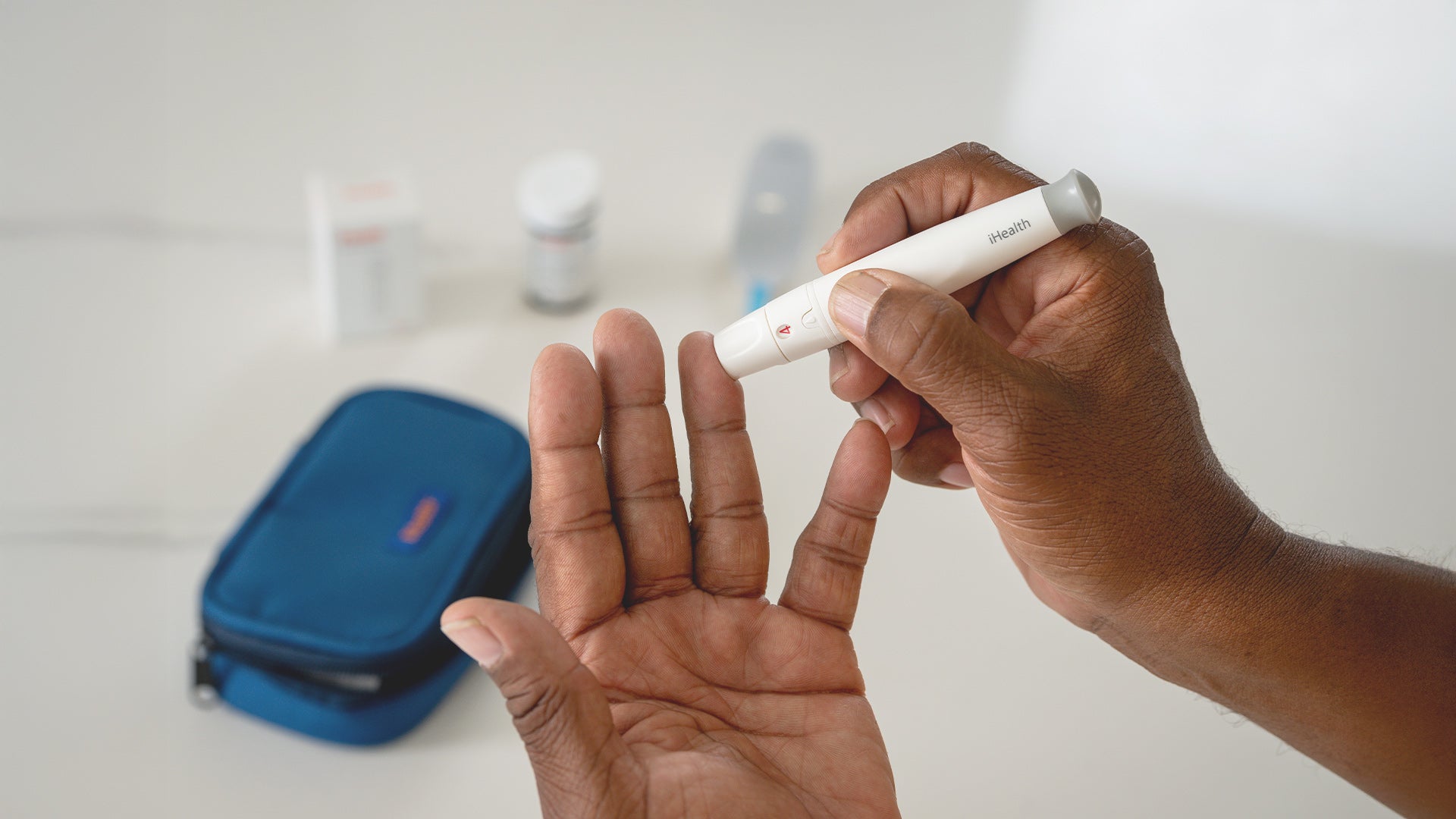
Tags
6 Great Benefits of a Glucometer Subscription
One way to simplify your diabetes management routine is to use a glucometer subscription service that automatically delivers test strips and lancets to your door on a schedule. Here are six benefits of a glucometer subscription.
Read more
Tags
Respiratory Virus Testing Before the 2025 Holidays: 7 Questions Answered
The holiday season is almost upon us and is also a time when respiratory viruses are very common, so it’s a good idea to consider antigen testing before meeting up with your friends and family. We've got answers for common questions you might have on current antigen testing for respiratory viruses around the holidays.
Read more
Tags
7 Ways to Manage COPD & Improve Your Quality of Life
Chronic obstructive pulmonary disease, or COPD, is a progressive lung disease, diagnosed in about 16 million Americans. Living with COPD can make everyday activities feel exhausting, but with the right tools and habits, it’s possible to take control of your symptoms and improve your quality of life.
Read more
Tags
10 Things You Might Not Know About the Flu: 5 Myths and 5 Facts
Here are some best practice tips on how to avoid getting the flu, as well as 5 flu myths and 5 flu facts to be aware of.
Read more
Tags
Stroke Rates are Rising: 7 Ways to Lower Your Risk
World Stroke Day is observed annually on October 29. A CDC analysis shows that stroke rates in the US have been rising over the past 15 years, but 80% of strokes are actually preventable. These 7 steps can help you lower your risk.
Read more
Tags
A Dietitian’s Top 10 Tips for a Healthy Halloween
Whether you’re handing out treats, going trick-or-treating with the kids, or dipping into the candy bowl at work, sugar tends to show up everywhere at Halloween. But here’s the good news: you can enjoy Halloween without sending your blood sugar on a roller coaster ride. With a few smart strategies, you can savor the sweet side of the day while still keeping your blood glucose steady.
Read more
Tags
4 Everyday Exposures Linked to Breast Cancer & What You Can Do About Them
On Breast Cancer Awareness Month, we’re focusing on prevention and the everyday choices that can help lower your risk of breast cancer long before screening begins. Here are some common exposures linked to breast cancer and what you can do to limit or avoid exposure to them.
Read more
Tags
COVID on the Mind: 5 Facts About COVID-19 and Mental Health
When we think of COVID-19, its physical symptoms typically come to mind. But one aspect of this infection that is not often discussed is how it may affect mental health. Indeed, COVID-19 has been linked to a variety of mental health issues, particularly anxiety and depression. Here are five facts about COVID-19 and its connection to mental health, as well as resources for help with mental health struggles.
Read more
Tags
5 Unexpected Habits That Can Help Keep Your Heart Healthy
September 29 is World Heart Day, an initiative of the World Heart Federation (WHF) in conjunction with the World Health Organization to raise awareness of heart health and cardiovascular diseases. We often think of heart health in terms of diet and exercise. But heart health is also affected by areas we don’t always connect to the heart, like your gums and air quality. Let’s look at these often-overlooked factors and how small changes can help keep your heart beating strong.
Read more
Tags
Do You Have Malnutrition & Not Even Know It?
When most people hear the word malnutrition, they think of not eating enough food. But malnutrition actually comes in many forms and it can affect anyone, at any age, and at any body size. It’s not just about how much you eat– it’s also about what you eat, how your body absorbs nutrients, and even how chronic conditions or medications impact your nutritional status. When most people hear the word malnutrition, they think of not eating enough food. But malnutrition actually comes in many forms and it can affect anyone, at any age, and at any body size. It’s not just about how much you eat– it’s also about what you eat, how your body absorbs nutrients, and even how chronic conditions or medications impact your nutritional status.
Read more
Tags
5 Things To Know About the New COVID Variant XFG (Stratus)
As of September 5, the Centers for Disease Control and Prevention (CDC) estimated that COVID-19 infections were still growing or likely growing in 24 states. This uptick in infections is largely driven by a new COVID-19 variant called XFG, or “Stratus." Here are five things to know about this new variant.
Read more
Tags
What Can You Do to Manage High Cholesterol?
Approximately 86 million American adults (20 years and older) have high cholesterol, representing about 36% of the adult population. High cholesterol doesn’t always manifest obvious symptoms, but can quietly increase your risk of serious health problems over time. The good news is that there’s a lot you can do to prevent and manage high cholesterol.
Read more
Tags
How Is Blood Pressure Affected by Sleeping Habits?
Studies have shown that too little sleep or even too much sleep, as well as erratic sleep schedules could have an adverse effect on your blood pressure. What is the ideal number of hours to sleep and how can one stick to a consistent sleep schedule? And how can at-home blood pressure monitoring be an aid in maintaining healthy sleep habits?
Read more
Tags
Yes, Your Gut Health Affects Your Mental Health – and Overall Wellness
Your gut isn’t just a digestive system--scientists are discovering that it plays a surprisingly powerful role in your mental and emotional health, as well as your overall wellness. At the heart of it is the gut-brain connection, also called the gut-brain axis.
Read more
Tags
Wellness = Preventative Care for Chronic Conditions
August is National Wellness Month. Learn how wellness routines can reduce the risk of chronic illnesses, which afflict 76.4% of US adults, in this exclusive blog written by Maggie Aimes. Maggie is a registered nurse and healthcare writer whose work has been published in AARP, Everyday Health, Health and Well+Good.
Read more
Tags
6 Common Back-To-School Illnesses In Children
Back-to-school means back-to-school illnesses, as germs can spread in crowded classrooms. In her blog exclusively for iHealth, Dr. Jill Seladi-Schulman PhD, an infectious disease expert and writer who has been featured in Healthline and Medical News Today, covers six common back-to-school illnesses and how to reduce the risk of your child from catching one of these bugs.
Read more
Tags
Smart Glucose Monitoring For Seniors
Nearly 1 in 3 adults over the age of 65 in the U.S. is living with diabetes. While daily blood sugar monitoring is a cornerstone of diabetes management, traditional glucometers can be tricky for seniors to use. Today's thoughtfully designed smart glucose monitors with their senior-friendly features, combine simplicity, comfort and modern technology to make blood sugar tracking easier for older adults.
Read more
Tags
International Self-Care Day: Making Your Own Wellness a Priority
Key to how individuals deal with everyday stress is to slow down and take time for self-care, according to wellness experts. International Self-Care Day, commemorated annually on July 24, encourages the prioritization of self-care for overall health and well-being. Here are practical tips on how to incorporate self-care into a regular routine.
Read more
Tags
What We Learned From COVID—And How It’s Still Shaping Public Health
Although the pandemic stage of COVID is behind us, the virus itself hasn’t disappeared and continues to shape how we think about public health. The good news is we are not starting from scratch. We now have the tools and the awareness to respond quickly to COVID.
Read more
Tags
The Evolution of Multi-Pathogen Testing
Six years ago, testing for respiratory illnesses like flu and RSV was mostly limited to hospitals, and often involved multiple tests for the different viruses. Today, multi-pathogen testing is used everywhere—including from the comfort of home. Learn how innovations driven by the SARS-CoV-2 coronavirus make it possible to detect COVID-19, Flu A/B and RSV, while strengthening preparedness for future pandemics around the world.
Read more
Tags
BBQ Tips for a Heart-Healthy Fourth of July
You don’t have to choose between flavorful food and your health this Independence Day. With a few simple strategies—like using herbs instead of salt, grilling lean proteins and staying well-hydrated—you can enjoy the full BBQ experience while keeping your blood pressure in check. Learn how to plan a festive and blood pressure-friendly cookout that everyone can enjoy.
Read more
Tags
Heat, Hydration and Health Checks: Managing Prediabetes During the Summer
If you’re one of the millions of Americans living with prediabetes, staying hydrated, choosing seasonal foods and using technology to understand how heat affects your body can help you manage blood glucose levels all summer long. Learn why summer is both a challenge and an opportunity for blood sugar control and how certain strategies and tools can help protect your long-term health.
Read more
Tags
Protecting Teams and Communities During Summer COVID Surges
Healthcare experts at Harvard Medical have found that there can be outbreaks of COVID throughout the year. So even during the summer, organizations need to be mindful and implement safety measures. The good news: preventative action for COVID doesn’t necessarily mean disruption to the organization. With tools like updated boosters, air purifiers and rapid testing, teams can proactively monitor and manage their health all season long.
Read more
Tags
Smart Gear, Safer Jobs: How Wearable Technology is Protecting Workers
Whether they happen behind desks, on hospital floors or in warehouses, workplace injuries can happen anywhere. Learn how wearable technology helps companies with boosting safety measures. From posture sensors to fatigue trackers, wearables not only prevent injuries and monitor health risks, but they also empower employees and encourage active participation in their own safety and wellbeing.
Read more
Tags
Lowering Your Blood Pressure? You Might Also Reduce Dementia Risk
High blood pressure (BP), also known as hypertension affects nearly 88% of all adults in the US. Hypertension not only increases their risk of serious vascular damage, but also raises the risk of dementia. High BP is extremely common, but it is also treatable and manageable through a combination of healthy lifestyle choices and medications when needed. Whether you're in your 30s looking to prevent problems or in your 70s seeking to preserve the sharpness you have, it's never too early or too late to prioritize blood pressure control.
Read more
Tags
Breathing Easier: Solutions for Managing Asthma and Allergies
According to the Asthma and Allergy Foundation of America (AAFA), over 100 million people in the U.S. are affected by asthma and/or nasal allergies. Symptoms can include wheezing, shortness of breath, coughing (for asthma), sneezing, congestion and itchy eyes (for allergies). Learn how various at-home testing tools and management options can make it easier to monitor and control respiratory symptoms from the comfort of your own home.
Read more
Tags
BE FAST: Recognize These Signs of Stroke and Save a Life
Every year, approximately 795,000 Americans experience a stroke with someone dying from one about every three minutes. Additionally, the American Heart Association reports that nearly 75% of stroke patients have dysfunction and 15–30% have severe disability. Fortunately, early recognition of symptoms and rapid intervention can significantly improve stroke treatment outcomes-making the difference between lifelong disability and a full recovery.
Read more
Tags
From Awareness to Action: Take Charge of Hypertension
Learn what healthy blood pressure looks like and how digital health apps and remote monitoring can make it easier to keep track of your blood pressure and protect long-term health.
Read more
Tags
Supporting Mental Health with Help, Action and Connection
Nearly one in 4 U.S. adults (58.7 million people) live with common mental health conditions like major depressive disorder, attention deficit hyperactivity disorder and panic disorder among others. While these numbers are concerning, people living with a mental health condition can get better, recover and thrive. Learn more about resources and ways to support your mental well-being.
Read more
Tags
Five Signs It’s Time to Start (or Re-start) Using a Glucometer
Whether you’ve just been diagnosed with diabetes or you’ve been managing it for years, there are times when starting (or re-starting) regular blood sugar checks can make a major difference. Caroline Thomason Bunn RD, CDCES, a leading diabetes educator and writer featured in Healthline, Forbes and USA Today, dives into the five signs it's time to start (or re-start) using a glucometer.
Read more
Tags
World Immunization Week: Celebrating the Power of Vaccines
Vaccinations remain one of the most powerful tools in modern medicine, credited with preventing millions of deaths and controlling the spread of numerous infectious diseases. Despite overwhelming evidence supporting vaccine safety and effectiveness, vaccine hesitancy remains one such challenge—which can be solved by educating on the proven efficacy of immunization.
Read more
Tags
Improving Clinical Outcomes for Chronic Conditions with Remote Patient Monitoring
Remote patient monitoring is transforming the way we manage chronic conditions. Read how iHealth's innovative medical devices and Unified Care’s team helped patients bring their diabetes under control—one measurement at a time.
Read more
Tags
World Health Day 2025: The Importance of Maternal and Newborn Health
Managing diabetes during pregnancy is crucial for both mom and baby's health. With early screenings, glucose monitoring technology and proper care, we can help ensure healthier outcomes for mothers and their little ones. Join us during World Health Day in celebrating and supporting maternal and newborn health initiatives for the best possible start!
Read more
Tags
Transforming Chronic Care Management with AI Solutions
Artificial Intelligence (AI) is helping to reshape how chronic diseases like diabetes, heart disease and chronic obstructive pulmonary disease (COPD) are managed. By integrating predictive analytics, personalized treatment approaches and continuous monitoring technologies into services from healthcare providers, these innovations improve patient outcomes by enabling early detection and personalized medical interventions.
Read more
Tags
Managing Chronic Kidney Disease
Chronic kidney disease (CKD) is a progressive condition characterized by the gradual loss of kidney function over time. Effective CKD management combines blood pressure control, glucose monitoring and weight maintenance—along with medication adherence. These strategies can slow CKD progression, reducing the risk of complications and improving long-term outcomes.
Read more
Tags
Managing Your Diabetes with Blood Sugar and Nutrition Tracking
In the US, 38 million individuals are affected by diabetes, which can lead to serious health complications. Learn how to effectively manage diabetes through blood sugar monitoring and nutritional awareness, which can lead to better informed health decisions.
Read more
Tags
Protecting Our Loved Ones: Improving Patient Safety for Long-Term Care
Long-term care facilities face challenges to patient safety due to residents' complex health conditions and communal living. The COVID-19 pandemic emphasized the critical need for patient safety in these settings, especially for the aging population. Learn about the systemic issues like staffing shortages and technology adoption that must be addressed to ensure that residents receive the high-quality care they deserve.
Read more